
Eavestroughs 101: Protecting Your Foundation From Roof Runoff
Learn what eavestroughs do, how to maintain them, and when to repair or replace to protect your foundation.
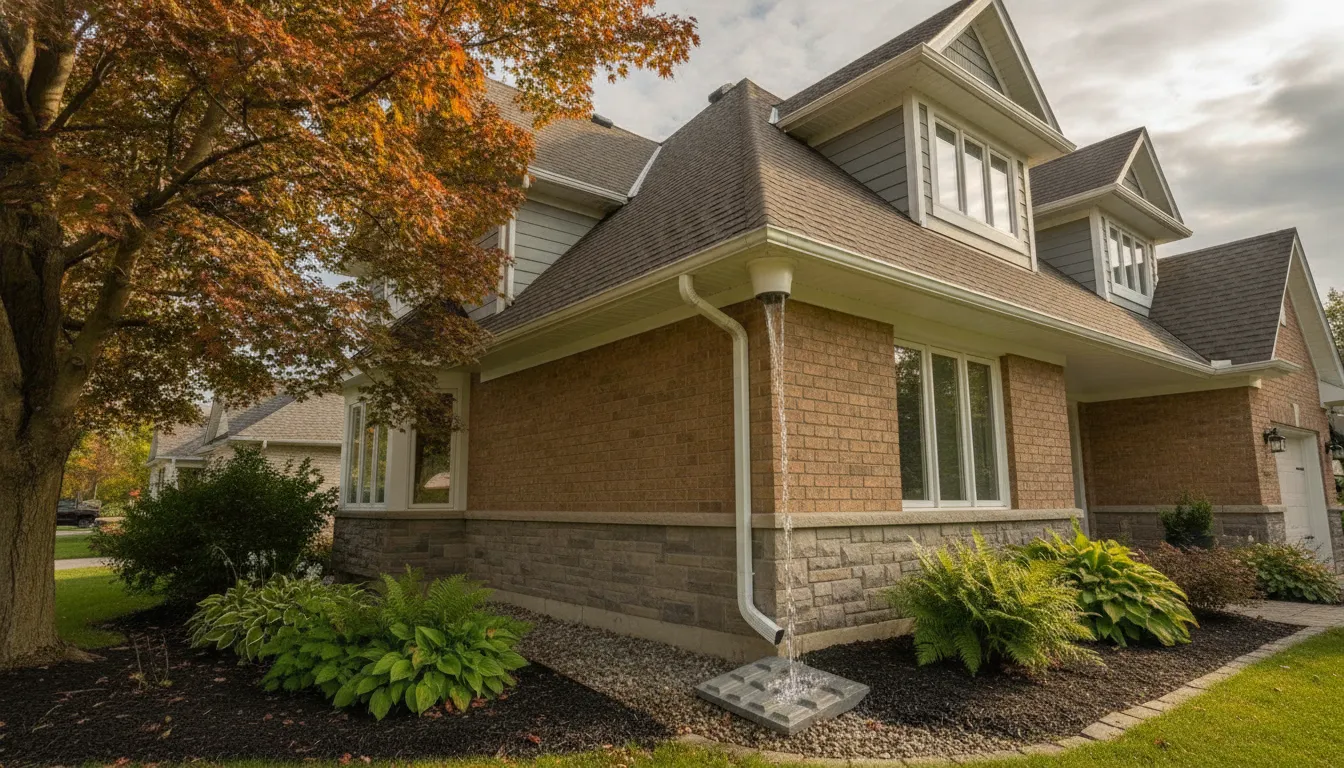
What are eavestroughs and why do they matter for my foundation?
Eavestroughs collect roof runoff and channel it away from walls and the foundation; without them, water soaks into soil around the footings and can cause basement leaks, frost heave, and footing erosion.
Basic components
An eavestrough system includes the gutters (channels along the roof edge), downspouts (vertical pipes), hangers or brackets, elbows, and splash blocks or extensions at the ground. Materials are typically aluminium, steel, vinyl, or copper — each has different lifespans and failure modes.
How they protect the foundation
By moving concentrated roof runoff several feet away from the house, eavestroughs prevent oversaturation of soil at the foundation line that leads to hydrostatic pressure on basement walls, soil settlement, and freeze-thaw damage in Brampton’s climate.
Sizing and slope
Gutters must be sized and pitched to carry peak roof runoff. Typical residential gutters are 5- or 6-inch profiles; steeper roofs, large roof areas, or heavy rainfall need larger capacity, proper downspout placement, and correct slope toward outlets.
Step-by-Step: Eavestroughs 101: Protecting Your Foundation From Roof Runoff
A straightforward homeowner process for assessing, maintaining, and if needed repairing or replacing eavestroughs to protect your foundation.
- 1
1. Inspect and document
Walk the perimeter of the house in spring and fall, and after major storms. Note loose hangers, sagging sections, standing water, damaged seams, or separation at corners and take photos for future comparison or insurance support.
- 2
2. Clear and clean
Remove leaves, seed pods, and debris by hand or with a scoop; flush the downspouts with a garden hose to confirm flow. Clogged gutters are the most common cause of overflow that leads to foundation wetness.
- 3
3. Repair small problems
Replace missing hangers, reseal leaking seams with compatible gutter sealant, and reattach downspouts with straps. Small localized fixes extend life and avoid water running uncontrolled at the foundation.
- 4
4. Evaluate capacity and drainage
Check whether downspouts discharge at least 1.5–2 metres from the foundation or connect to a properly sloped subsurface drain. If runoff still pools, consider longer extensions, splash blocks, or a buried drain leading to a storm connection, subject to local bylaws.
- 5
5. Decide on replacement vs. repair
If more than a few sections are sagging, seams failing, or material is corroded/warped, replacement is usually more cost-effective than repeated repairs. Factor in material (aluminium vs. steel vs. vinyl), fascia condition, and roofline complexity.
- 6
6. Hire a qualified contractor or DIY
For simple cleaning and strap replacements, a confident homeowner can do the work with correct ladders and fall protection. For replacement, complex roofs, or when connection to storm drains is required, engage a licensed local roofer or eavestrough specialist and verify references and insurance.
Mistakes to Avoid
Small mistakes around eavestroughs cause big problems over time. Below are common costly errors and straightforward ways to prevent them so your foundation stays dry.
Skipping seasonal inspections
Waiting until you see basement water or a sagging gutter means damage has usually already started. Inspect and clean in early spring and late fall — Brampton’s freeze-thaw winters and late fall leaf drop make these seasons critical.
Using undersized gutters or downspouts
Putting 5-inch gutters where a 6-inch profile is needed, or too few downspouts, leads to overflowing during heavy rain or melting snow. Evaluate roof area, slope, and expected precipitation; when in doubt, size up.
Forgetting to check grade and extensions
Even perfect gutters fail if water dumps a few inches from the foundation. Make sure downspouts discharge at least 1.5–2 metres away or tie into a drainage system that carries water out to a safe outlet, observing local stormwater rules.
Hiring on price alone
A cheap quote that uses low-quality materials or skips proper fastening often costs more over time. Check material specs, workmanship warranty, and local reviews — in Peel Region and neighbouring Mississauga or Caledon, ask for examples of similar jobs.
What Affects Your Outcome
Several practical factors change how successful your eavestrough plan will be.
Climate and seasonal runoff
Brampton and Peel Region experience cold winters with freeze–thaw cycles and spring thaw; that increases the volume and force of water your gutters must handle during melt periods.
Roof area and pitch
Large roof surfaces or steep pitches produce more concentrated runoff; this dictates gutter size and number of downspouts needed to prevent overflow.
Quality of initial installation
Correct slope, secure hangers, and sealed joints matter. Poorly installed systems sag, separate, and leak sooner, increasing the risk to foundations.
Maintenance frequency
Regular cleaning and minor repairs prevent major failures. Leaves, needles, and seed pods left to decompose accelerate corrosion and block flow.
Choice of material
Aluminium resists rust and is common; steel is stronger but can corrode without proper coating; vinyl is inexpensive but warps in heat; copper is durable and aesthetic but costly. Material affects lifespan and repair options.
Local rules and drainage connections
Municipal stormwater rules in Brampton or Peel Region influence whether you can discharge to the curb, tie into storm sewers, or need permits for buried drains. Verify with the local building or public works office.
Frequently Asked Questions
How often should I clean my eavestroughs in Brampton?
Clean at least twice a year — spring and late fall — and after major storms or heavy leaf fall. Homes near many trees may need an additional mid-fall check; regular cleaning prevents clogs that lead to foundation problems.
Can I connect downspouts to the municipal storm sewer?
Connection rules vary by municipality. In Brampton and Peel Region, public works or building departments set requirements; some areas allow direct connections while others require on-site retention or permits. Always check locally before digging or tying in.
When should I replace eavestroughs rather than repair them?
Consider replacement if large portions are sagging, numerous seams leak, the material is corroded, or repairs have become frequent. Also replace when fascia or roofline work requires removal — this is an efficient time to upgrade to properly sized gutters.
Do gutter guards eliminate maintenance?
Gutter guards reduce how often you need to clean but do not eliminate maintenance entirely. Fine debris, shingle grit, and moss can still accumulate; guards must be chosen for your tree types and installed correctly to work well.
Will insurance cover water damage from failed eavestroughs?
Coverage depends on your policy, the cause of the damage, and whether maintenance issues contributed. Insurers commonly expect homeowners to maintain systems; check your policy and speak with your insurer in Brampton, and keep documentation of inspections and repairs.
Can I DIY eavestrough installation safely?
Homeowners can handle cleaning and some simple repairs, but full replacement has risks: working from ladders, securing long sections, and ensuring correct slope. For multi-storey homes, complex rooflines, or when connecting to buried drains, hire a licensed contractor with insurance and local references.
Free eavestrough inspection to protect your foundation
We’ll assess gutters, downspouts, and drainage and give a clear, no-pressure recommendation for maintenance or repair. Verify permits and insurer requirements locally.
Get a Free Quote